


Why You Should Never Reserve a Kitten Before Its First Veterinary Check

In the age of instant gratification, it’s understandable that prospective kitten buyers want to “lock in” a kitten as early as possible. Photos are adorable, Devon kittens can be hard to come by and emotions run high. However, ethical breeders do not allow reservations before a kitten has completed its first full veterinary examination and there are very important reasons why.
This policy protects the kitten, the breeder, and the future owner. Reserving a kitten too early may feel exciting, but it introduces unnecessary risk and disappointment for everyone involved.
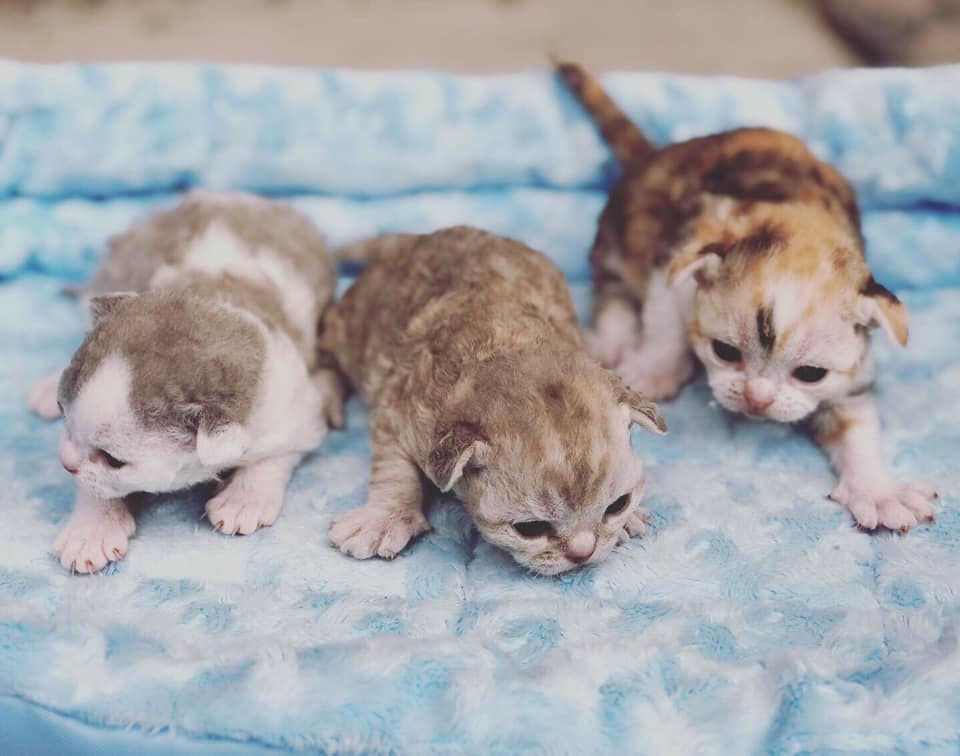
1. Health cannot be accurately assessed in very young kittens
Before a first veterinary check, typically around 8 weeks of age, a kitten’s health status is incomplete and, in some cases, misleading.
Many issues are:
Congenital but not immediately visible
Developmental, only becoming apparent as the kitten grows
Detectable only by a veterinarian, not by even the most experienced breeder
Examples include:
Heart murmurs
Umbilical hernias
Dental or jaw alignment issues
Limb or gait abnormalities
Early neurological or coordination concerns
A breeder may observe kittens daily, but observation is not diagnosis. Reserving a kitten before a professional exam means committing emotionally and typically financially, before anyone truly knows what that kitten’s future health outlook may be.
2. Early reservations create emotional pressure to place an unsuitable kitten
Ethical breeders must be free to:
Reassign kittens based on health or physical development
Monitor personality progression in order to best match kittens with homes
Make decisions solely in the kitten’s best interest
Allowing reservations too early risks compromising those decisions—especially if buyers have already bonded or paid deposits. A breeder’s responsibility is first to the kitten, not to a reservation list or a monetary deposit.
3. Some kittens should never be placed as pets
Occasionally, a kitten may:
Require ongoing medical management
Be better suited to staying with the breeder
Need placement in a highly specialized home
This is rare, but it happens even in the best breeding programs.
Allowing reservations before a vet check increases the chance that a buyer becomes attached to a kitten that cannot ethically be sold, leading to heartbreak and frustration that could have been avoided.
4. A vet check helps protect buyers from unexpected financial and emotional strain
Responsible breeders aim to place kittens who will:
Thrive long-term
Require routine, not extraordinary, veterinary care
Be a good fit for their specific household
Without a vet check, buyers risk committing to a kitten that may later need:
Expensive diagnostics
Specialist care
Long-term treatment plans
Ethical breeding means transparency and transparency requires verified information.
5. Temperament and structure are still developing
At just a few weeks old:
Personalities are not even close to fully formed
Energy levels fluctuate dramatically
Structural features (bite, movement, balance) are still changing. Even experienced breeders may have an idea of how a cat can turn out, but I can tell you from years of experience, it is NOT a guarantee.
A kitten that seems shy, bold, clumsy, or mellow at 4–5 weeks may be entirely different by 8–10 weeks. Vet checks often coincide with the stage when breeders can more accurately match kittens to homes.
Early reservations remove the breeder’s ability to guide placements thoughtfully.
6. This policy signals breeder integrity
A breeder who refuses early reservations is one who is acting in your best interest, their best interest(and reputation) and most importantly, the kittens best interest.
It tells you that the breeder:
Prioritizes health over hype
Is willing to say “no” when necessary
Refuses to sell kittens on impulse or pressure
Views breeding as stewardship, not sales
Perhaps predictably, , the breeders who allow very young or even neonate reservations are often the ones taking shortcuts elsewhere.
To be clear: Reservations and going home are two very different milestones
It’s also important to understand that a reservation date and a go-home date are not the same thing. In most ethical breeding programs, a kitten’s first comprehensive veterinary visit typically occurs around 8 weeks of age, when kittens receive their initial vaccinations and a full health assessment. While reservations may open after this vet visit, kittens do not go home at this stage. Remaining with their litter and mother until at least 14 weeks and ideally 16 weeks is essential for proper social development, bite inhibition, and emotional stability.
The ethical standard
Reputable breeders typically follow this sequence:
Kittens are born and observed closely
Initial growth and development are monitored
First full veterinary examination is completed
Health, personality, structure and type findings are evaluated
Reservations or placements begin
Advertising things like “5 weeks old and ready for reservation” is a serious red flag and potential larger warning sign
So why would a breeder allow it?
An unethical breeder may accept early reservations because:
It secures money or commitment before health issues can be identified
It creates emotional attachment that discourages buyers from walking away
It prioritizes demand and cash flow over welfare and transparency
At five weeks, many health concerns have not yet surfaced, and developmental issues may still emerge. Allowing reservations this early shifts risk onto the buyer while limiting accountability for the breeder.
Ethical breeding operates in the opposite direction: information first, commitment second. Wait until a kitten has been professionally examined. Full Stop.

Final thoughts
Waiting for a first vet check before reserving a kitten is a safeguard.
If a breeder encourages you to reserve a kitten sight unseen, unexamined, or before basic health information is available, that is not a sign of confidence in their program, it is a glaring red flag.
Ethical breeding is patient .Responsible placement is intentional and appropriately timed. And healthy kittens are never rushed.


Comments